A gas leak is the one home emergency that demands the fastest and most careful response. Natural gas is highly flammable and, in an enclosed space, can reach concentrations that ignite from a single spark. Carbon monoxide, an odourless byproduct of incomplete gas combustion, is equally dangerous and impossible to detect without an alarm.
Across Melbourne’s western suburbs, gas heating and gas cooktops are standard in the vast majority of homes, which means understanding how to recognise and respond to a gas leak is essential knowledge for any household in this part of the city. This article explains exactly what to do, what warning signs to look for, and why only a licensed gas fitter should perform any gas work on your property.
Signs of a Gas Leak at Home
Natural gas is odourless in its natural state, but gas suppliers add a chemical called mercaptan that gives it a distinctive smell similar to rotten eggs or sulphur. If you notice this smell inside or outside your home near gas appliances or pipes, treat it as a gas leak until a licensed gas fitter has confirmed otherwise.
Other signs include:
- A hissing or whistling sound near a gas appliance, meter, or pipe
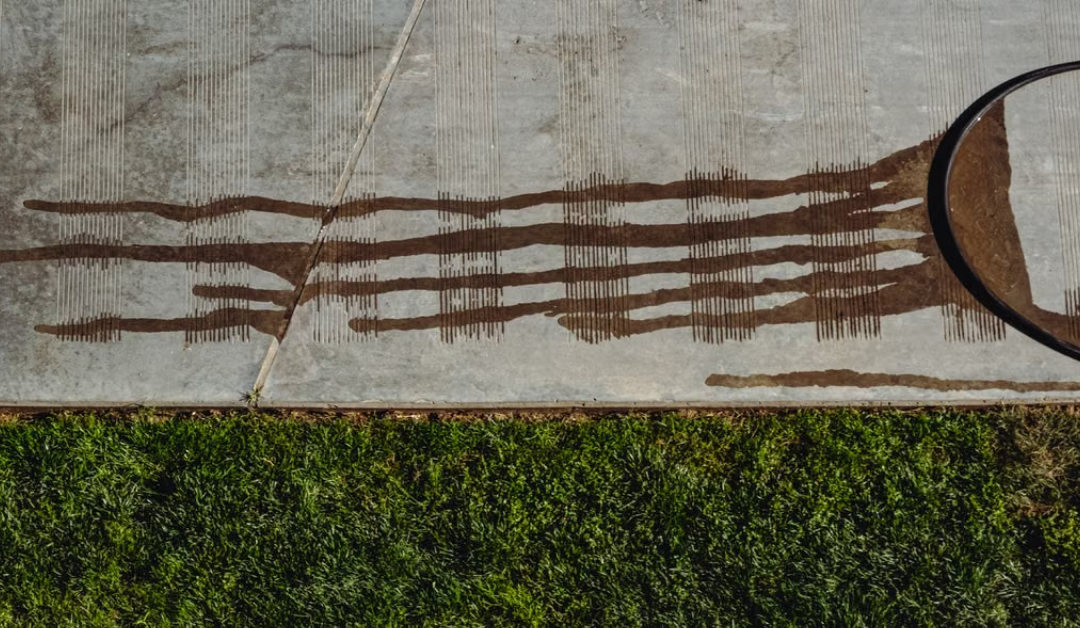
- Dead or discoloured vegetation in a patch of garden above or near where gas pipes run underground, which can indicate a slow, persistent leak from a buried gas line
- Bubbles appearing in puddles or wet ground near the gas meter
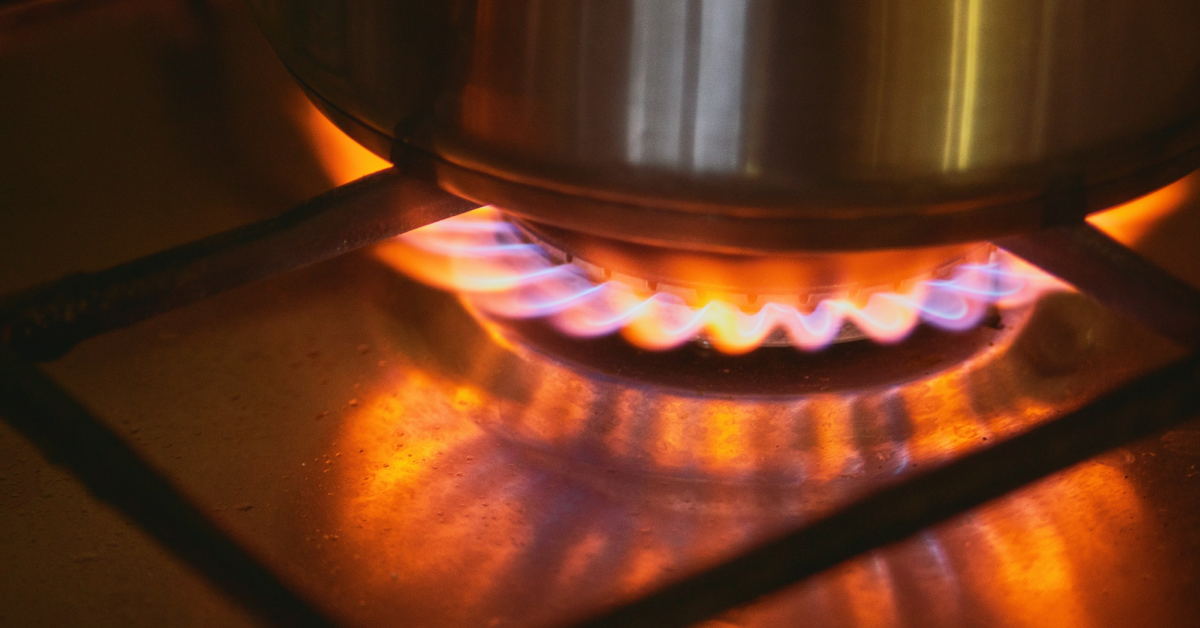
- Flame colour changes on a gas cooktop or heater, with yellow or orange flames instead of clean blue, indicating incomplete combustion
- Physical symptoms in household members including headaches, dizziness, nausea, or eye and throat irritation when inside the property
What to Do Immediately
If you suspect a gas leak anywhere in your home, follow these steps without exception.
Step one: do not turn any electrical switches, lights, or appliances on or off. A single electrical spark can ignite gas that has accumulated in an enclosed space.
Step two: do not use your mobile phone inside the building. Take it outside before making any calls.
Step three: open windows and doors as you move through the building to ventilate, but do not linger inside.
Step four: turn off the gas supply at the meter if it is safe to reach. The gas meter is usually located on the exterior of the building, often near the front or side boundary. Turn the valve a quarter turn so it sits perpendicular to the pipe, which closes it.
Step five: leave the building and move well away from it. Do not re-enter until a licensed gas fitter has inspected the property and confirmed it is safe.
Step six: call the gas emergency line. For Victoria, contact Australian Gas Networks on 1800 GAS LEAK (1800 427 532) for a mains gas leak. For any leak on the internal pipe system within your home, call a licensed gas fitter such as Westwater Plumbing immediately on 0423 964 282.